Last updated on November 7th, 2024 at 01:28 pm

Struggling with high electricity bills? Making small changes to your daily routine can help cut down energy use and save money. This practice can also reduce your environmental impact. Here are 10 Tips to Lower Electricity Bill and also to conserve energy. So get started:
1. Unplug Devices When Not in Use
Even when turned off, many electronics continue to use power if they’re plugged in. This “phantom energy” can add up and increase the bill. By unplugging items like chargers, TVs, and kitchen appliances, you can eliminate this wasted energy.
Easy Tip: Use power strips to turn off multiple devices at once.
2. Lower Your Water Heater Temperature
Your water heater uses a lot of energy, especially when it’s set too high. Lowering the temperature to around 120°F (49°C) can reduce energy costs. And still provide hot water for daily needs like showers and washing dishes.
Helpful Hint: For extra efficiency, consider insulating your water heater with a thermal blanket.
3. Switch to Energy-Efficient Light Bulbs
LED or CFL bulbs use up to 75% less energy than incandescent bulbs. They may cost a bit more initially, but they last longer and consume much less electricity.
Look for: Bulbs with the Energy Star label for certified energy savings.
4. Use Ceiling Fans to Your Advantage
Ceiling fans can help keep you comfortable while using far less energy than air conditioning. In summer, set the fan to rotate counterclockwise to create a cool breeze. In winter, switch it to clockwise at a low speed to circulate warm air.
Pro Tip: Remember to turn off fans when you leave the room, as fans cool people, not spaces.
5. Take Advantage of Natural Light
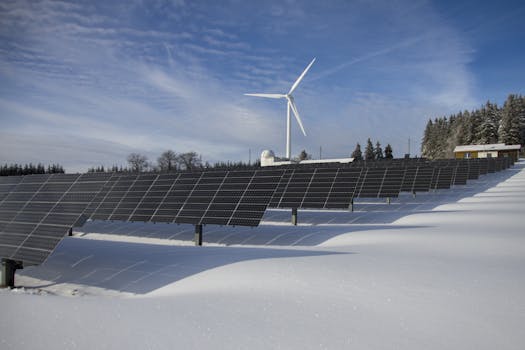
Using natural sunlight can reduce your need for artificial lighting. Especially during daytime hours. Open curtains or blinds to let sunlight into rooms. It helps to warm your home in the winter and brighten it year-round.
Easy Fix: Arrange furniture to maximize exposure to natural light and consider using light-colored curtains.
6. Upgrade to Energy-Efficient Appliances
Old appliances can be energy hogs. Upgrading to Energy Star-certified appliances can cut down on energy use by as much as 50%. These appliances may cost more initially but quickly pay for themselves through reduced energy bills.
Good to Replace: Focus on energy-hungry appliances like refrigerators, washing machines, and air conditioners.
7. Wash Laundry in Cold Water
Heating water for laundry uses a higher amount of energy. By washing clothes in cold water, you can cut down on this expense. Plus, cold water is gentler on fabrics, helping your clothes last longer.
Extra Savings: Run full loads to make the most of each cycle.
8. Seal Drafts and Insulate Your Home
Heating and cooling systems work overtime if your home has gaps and drafts. By sealing cracks around doors, windows, and other areas, you can keep the temperature stable and reduce energy costs.
Quick Fix: Use weather stripping or caulk around doors and windows to prevent air leaks.
9. Adjust Your Thermostat
Setting your thermostat just a few degrees lower in winter or higher in summer can significantly cut heating and cooling costs. For example:
- Summer: Set it around 78°F ((26°C).
- Winter: Keep it around 68°F (20°C).
If you’re out of the house, adjust the thermostat even more to save energy.
Helpful Tip: A programmable thermostat can make these adjustments automatically, so you don’t have to remember to do it yourself.
10. Limit Oven Use and Use Smaller Appliances
Ovens use a lot of energy, especially for small meals. Opt for smaller appliances like microwaves, toaster ovens, or slow cookers for quick, energy-efficient cooking.
Quick Note: If you’re using the oven, avoid opening the door frequently, as this releases heat and requires more energy to maintain temperature.
Conclusion
By incorporating a few of our recommended energy-saving habits, you’ll notice a marked difference in your electricity bill over time. Small actions like unplugging electronics, adjusting your thermostat, and upgrading appliances can have a big impact. Not only will you save money, but you’ll also be contributing to a more sustainable future.
FAQs
1. Can switching to energy-efficient light bulbs really make a difference?
- Yes! Energy-efficient bulbs like LEDs consume up to 75% less electricity and last much longer, so you’ll see a difference in your lighting costs.
2. Why should I adjust my thermostat?
- Adjusting the thermostat a few degrees when you’re home or away can significantly reduce heating and cooling costs, which are major parts of most electricity bills.
3. Do energy-efficient appliances save money?
- Definitely. While they might cost more initially, Energy Star-rated appliances use much less power, leading to long-term savings.
4. How does using cold water for laundry help?
- Washing with cold water eliminates the energy needed to heat water, saving you money while also being gentler on your clothes.
5. Does unplugging devices matter?
- Yes. Phantom energy, or the energy used by devices that remain plugged in, can add up to about 10% of your electricity bill.
Start with a few of these tips, and watch your savings add up!