Electric geysers are a winter essential, for many households in Pakistan. While they provide comfort, their electricity consumption often leaves families worried about rising bills. This practical guide breaks down how energy-saving electric geysers can help, gives examples of the best energy saving electric geysers in Pakistan, electricity costs, and explores smarter alternatives.
Why Do Pakistanis Prefer Electric Geysers?
Electric geysers are popular in cities like Lahore, Islamabad, and Peshawar. Where winters can be freezing. They are preferred because:
- Convenience: Simply switch them on to get instant hot water.
- Availability: Most hardware stores carry a variety of electric geysers.
- Reliability: They don’t rely on gas or sunlight.
However, the convenience comes at a price—higher electricity bills.
How Much Does an Electric Geyser Add to Your Bill?
An electric geyser uses 1.5 to 3 kilowatts (kW) per hour. If used for 4-6 hours daily, the cost varies depending on peak hours (when electricity is more expensive) and off-peak hours.
Example of Monthly Costs
| Usage Hours | Peak Hour Cost (Rs. 50/kWh) | Off-Peak Cost (Rs. 35/kWh) |
|---|---|---|
| 4 hours/day | Rs. 6,000/month | Rs. 4,200/month |
| 6 hours/day | Rs. 9,000/month | Rs. 6,300/month |
What Are Peak Hours in Pakistan?
Peak hours are typically between 6 PM to 10 PM. When electricity rates are higher. Using your geyser during these hours can significantly inflate your bill. For instance, if you use a 2kW geyser for 4 hours daily, during peak hours, you’ll spend about Rs. 6,000 per month—just for the geyser!

Benefits of Energy-Saving Electric Geysers
Energy-saving electric geysers are designed to consume less electricity. They come with:
- Thermostats: Maintain a set temperature without overheating.
- Insulated Tanks: Keep water warm longer, reducing re-heating needs.
- Automatic Shut-Offs: Turn off when the desired temperature is reached.
These features can reduce electricity usage by 20-30%, making them a smarter choice for families.
Alternatives to Electric Geysers
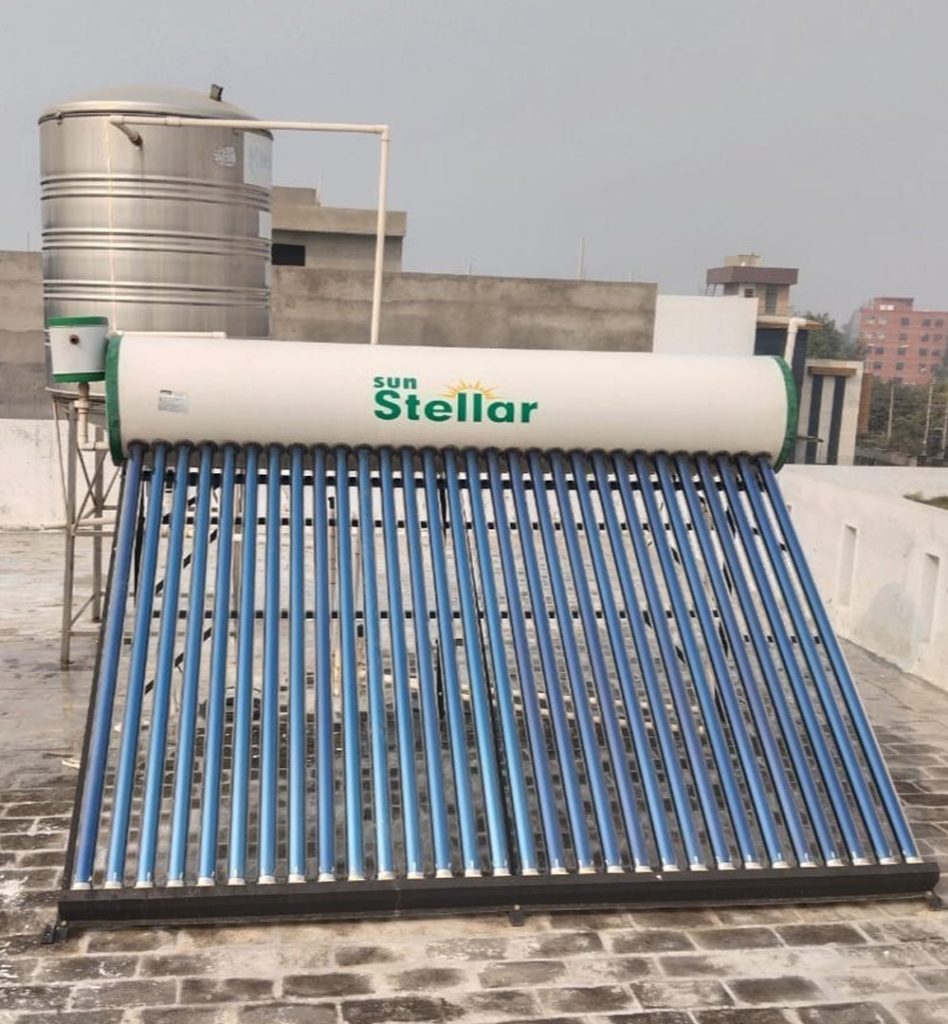
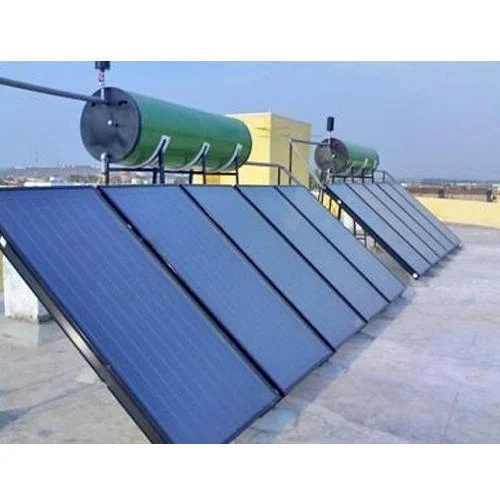
1. Solar Water Heaters
Solar water heaters use sunlight, cutting electricity costs entirely.
- Best For: Sunny regions like Karachi and Multan.
- Cost: Initial investment is Rs. 50,000–100,000, but long-term savings are significant.
2. Gas Geysers
Gas geysers are widely used in areas with reliable gas supplies.
- Cost: Running cost is lower than electricity but depends on gas prices.
- Caution: They need proper ventilation to avoid safety hazards.
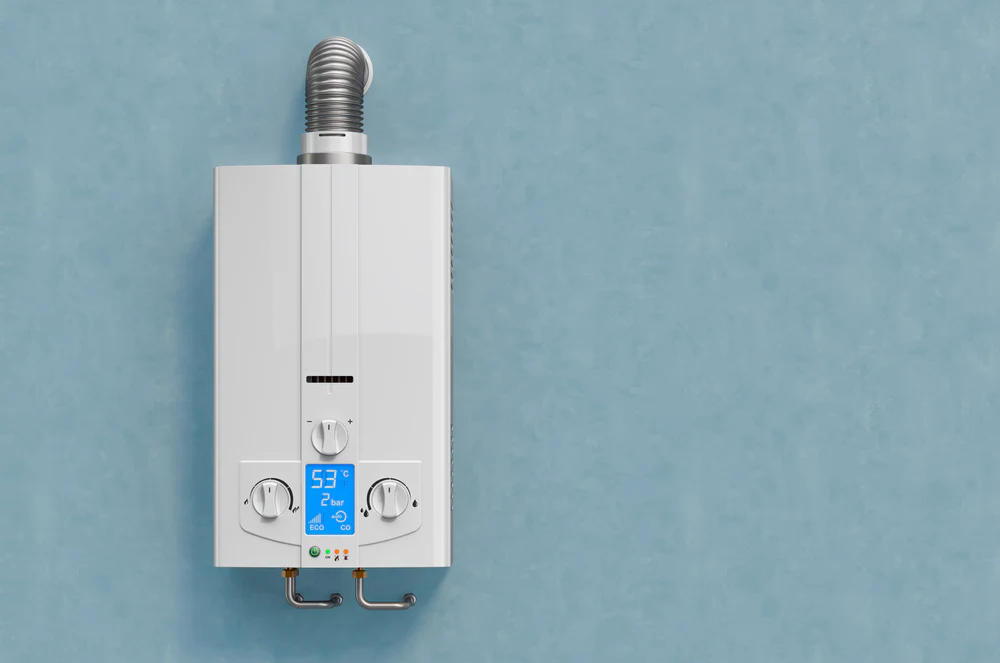
3. Instant Water Heaters
These heat water only when needed, avoiding the constant energy drain of storage geysers.
- Best For: Small families or low water usage.
How to Lower Geyser-Related Energy Costs
- Use a Timer: Limit geyser usage to non-peak hours.
- Lower the Temperature: Set it to 50-60°C for adequate hot water and energy efficiency.
- Switch Off After Use: Don’t leave the geyser on all day.
- Upgrade to Energy-Efficient Models: Modern geysers use less electricity.
- Insulate Water Pipes: Prevent heat loss from pipes.
What to Expect in Your Electricity Bill
If you switch to an energy-saving electric geyser. You can reduce electricity costs by 20-30%. For example:
- Using a traditional geyser for 4 hours daily may cost Rs. 6,000.
- An energy-saving geyser under the same conditions could cost Rs. 4,200.
The initial cost of an energy-efficient geyser ranges between Rs. 30,000–50,000, but the savings will quickly make up for it.
Related Posts
FAQs
1. Are energy-saving geysers worth the investment?
Yes, they reduce monthly bills and pay for themselves over time with lower electricity usage.
2. Can I install a solar water heater in winter?
Yes, solar water heaters work in winter, especially in sunny areas. However, a backup may be needed on cloudy days.
3. Which is better: gas or electric geyser?
Gas geysers are cheaper to run but require proper safety measures. Electric geysers are safer and more convenient.
4. How can I check if my geyser is energy-efficient?
Look for models with thermostats, automatic shut-offs, and an energy rating label.
5. What’s the best alternative for large families?
A solar water heater or a gas geyser is ideal for large households due to their cost efficiency.
Key Takeaways
- Electric geysers are essential in winter but can significantly increase electricity bills.
- Energy-saving models and alternatives like solar heaters or gas geysers can help reduce costs.
- Smart usage habits, like switching off during peak hours, can make a big difference.
- Investing in energy-efficient appliances pays off in the long run.
For more tips on energy-saving solutions, visit Energy Saving Resources.
Make the smart choice this winter, and enjoy warm water without worrying about high bills!