Solar energy is a clean and renewable energy source rapidly gaining popularity in Pakistan. As electricity prices soar and environmental concerns grow. More households and businesses are considering the switch to solar. This guide provides a detailed overview of solar energy benefits in Pakistan. Explaining how it works, and outlining how to get started. We’ll also look at the top solar energy providers in Pakistan to help you make informed choices.
What is Solar Energy?
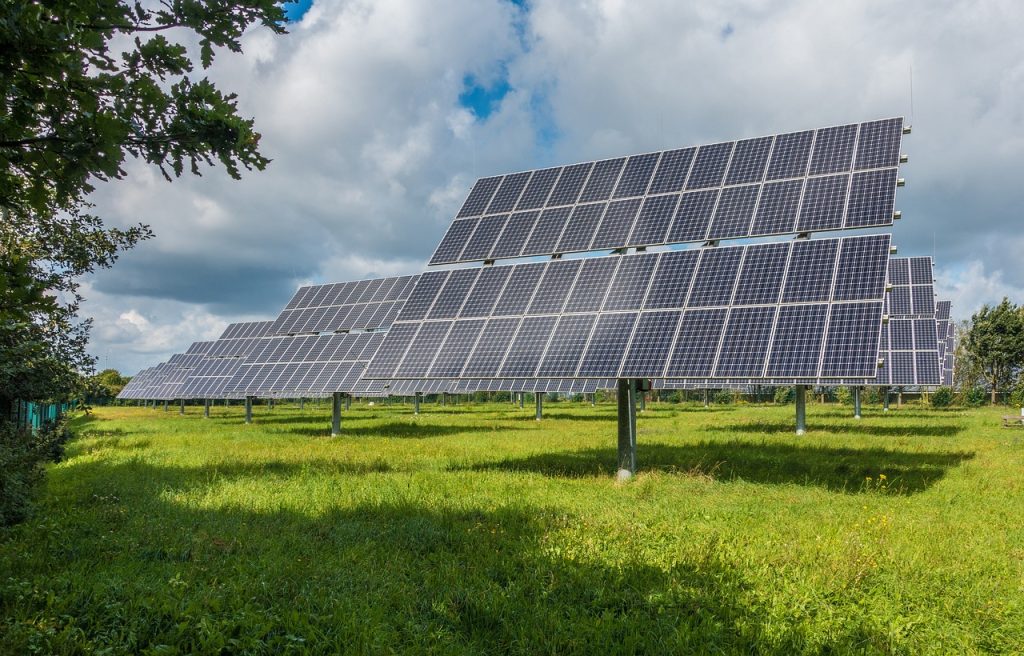
Solar energy is power derived from the sun’s rays, which are captured and converted into electricity. Using solar panels equipped with photovoltaic (PV) cells, sunlight is transformed into an electric current. This process involves no fuel, noise, or harmful emissions. Making solar energy one of the most environmentally friendly energy sources available.
In Pakistan, where sunlight is abundant for most of the year. Harnessing solar energy can significantly benefit households and businesses. It reduces electricity costs and lessens dependence on the national grid. Which is often burdened with frequent power cuts. By using solar energy, Pakistan can work towards a sustainable, energy-independent future.
Why Solar Energy is Important for Pakistan
Pakistan faces a persistent energy crisis with a high dependency on imported fuels. Leading to frequent power outages and high electricity costs. Embracing solar energy in Pakistan not only provides clean, reliable power. But also promotes energy independence and helps combat pollution. Solar solutions offer a feasible answer to the country’s energy issues and have become accessible for both urban and rural consumers.
How Solar Panels Work
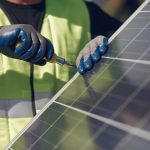
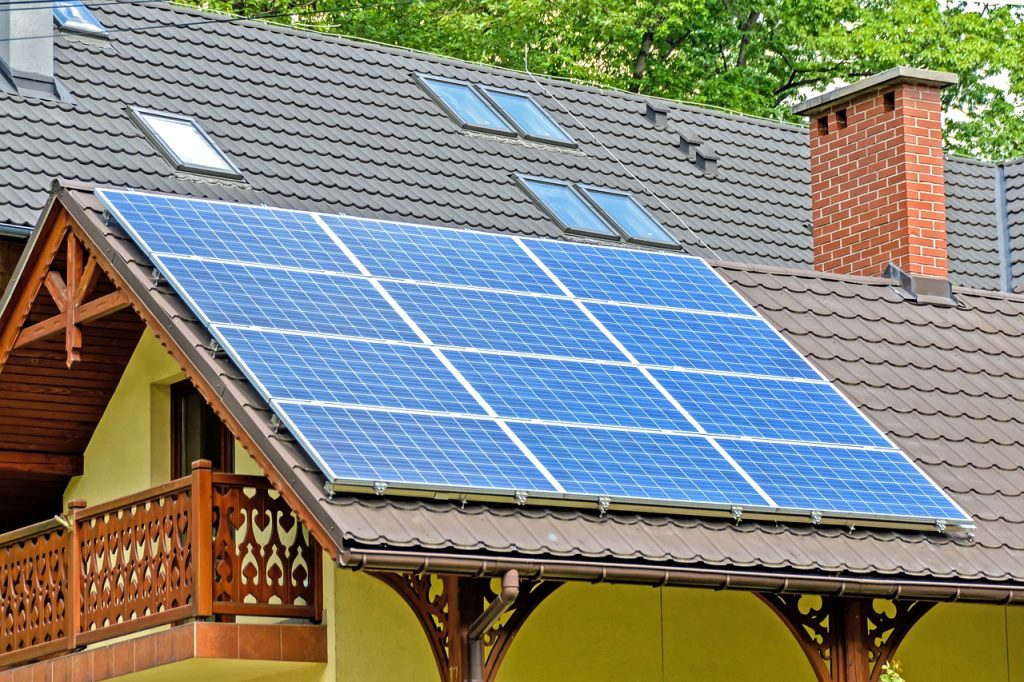
Solar panels are the backbone of any solar energy system. They capture sunlight through photovoltaic (PV) cells that convert it into electricity. Here’s how the process works:
- Sunlight Absorption: When sunlight hits the solar panel, the PV cells absorb it, generating an electric field.
- Electric Current Generation: This electric field creates a flow of electricity, which can be used to power appliances and lights.
- Inverter Transformation: A solar inverter then converts the direct current (DC) generated by the PV cells into alternating current (AC), which is compatible with household electrical systems.
- Storage and Usage: Electricity generated during the day can be stored in batteries or used immediately. Excess power can sometimes be fed back into the grid, allowing homeowners to earn credits.
Benefits of Solar Energy in Pakistan
1. Cost Savings
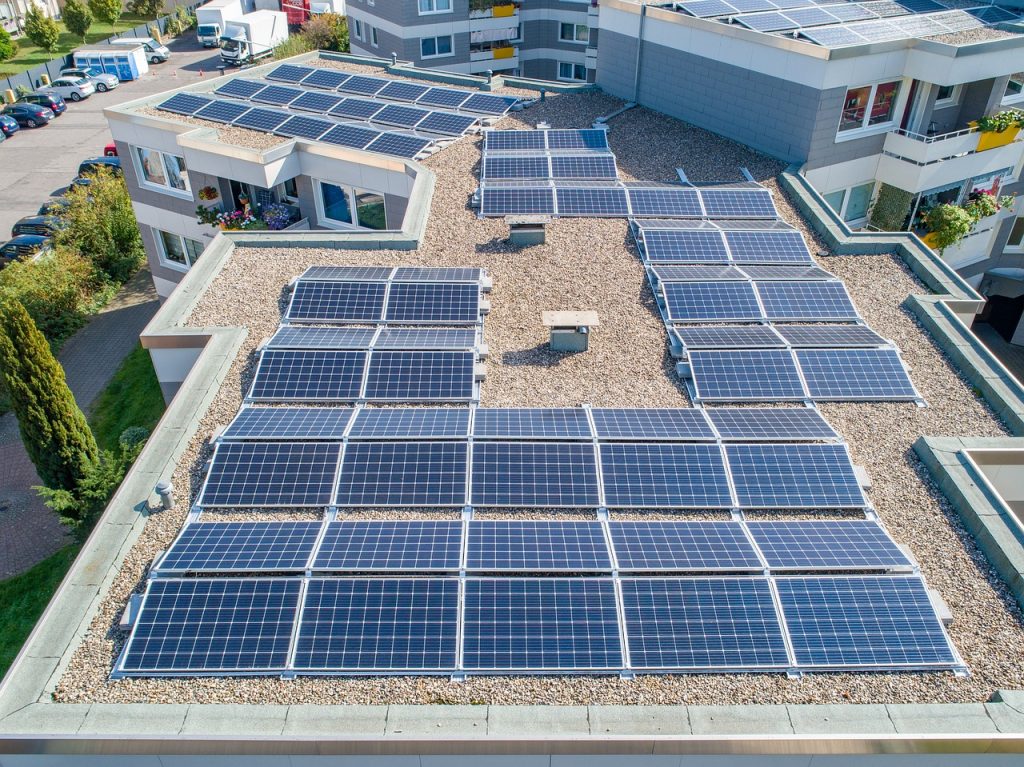
Switching to solar energy in Pakistan can drastically reduce electricity bills. Although initial installation can be expensive, but the ongoing savings offset these costs. Solar panels require minimal maintenance and use free sunlight. So the investment usually pays for itself within a few years.
2. Environmental Impact
Solar energy is a clean, sustainable energy source. Unlike fossil fuels, it produces no harmful emissions. This contributes to a cleaner environment and reduces air pollution. By investing in solar power, Pakistan can lower its carbon footprint and also play a part in addressing global climate change.
3. Energy Independence and Stability
With solar panels, individuals and businesses can enjoy greater energy independence. This is particularly valuable in Pakistan, where load shedding is common. Solar energy systems provide a steady power source, even during outages. Enhancing energy security for households and businesses.
4. Minimal Maintenance
Once installed, solar panels are relatively easy to maintain. Most systems only require occasional cleaning to remove dust and dirt. Many solar panels come with warranties ranging from 10 to 25 years, ensuring reliable performance.
5. Increased Property Value
Investing in solar energy can increase a property’s value. Homes and commercial buildings with solar panels are attractive to buyers. As they offer future savings on electricity and a reduced environmental impact.
How to Get Started with Solar Energy in Pakistan
Step 1: Assess Your Energy Needs
The first step in adopting solar energy is to evaluate your energy requirements. Calculate your current electricity consumption, identify peak usage times. And then determine the size of the system needed. A typical household system in Pakistan ranges from 3kW to 10kW, depending on family size and power usage.
Step 2: Explore Solar Panel Options
There are several types of solar panels available, including:
- Monocrystalline Panels: Known for high efficiency and a longer lifespan but generally more expensive.
- Polycrystalline Panels: Cost-effective and suitable for areas with high sunlight exposure.
- Thin-Film Panels: Lightweight and flexible, ideal for portable solar solutions or buildings with low structural capacity.
Choosing the right panel type depends on factors like budget, energy needs, and roof space.
Step 3: Select a Reliable Solar Provider
A quality installation is key to an effective solar system. Partnering with a reputable solar company ensures that you get the right equipment and reliable installation along with post-installation support. Some of the best solar energy companies in Pakistan include:
- Reon Energy: A leading company specializing in large-scale solar projects for commercial and industrial use.
- SkyElectric: Known for its Smart Solar Solutions, which include energy storage and a smart management system.
- Premier Energy: Provides affordable solar solutions for households, commercial, and industrial sectors.
- Solar Sigma: Offers a variety of solar products, including solar panels and storage solutions.
- Shams Power: Focuses on renewable energy for commercial sectors and offers financing options to make solar more accessible.
For more information on solar companies, check out the Alternative Energy Development Board (AEDB).
Step 4: Calculate Your Investment and ROI
While the initial costs for solar installation can be high, the return on investment (ROI) is substantial. Most homeowners recover the setup costs within five to seven years. Many solar companies also offer financing options, making it easier to invest.
Step 5: Installation and Maintenance
Once your system is designed and financed, it’s time for installation. Ensure your solar panels are placed in an area with maximum sunlight exposure. Regular maintenance includes occasional cleaning and inspections to ensure optimal performance.
Challenges of Solar Energy in Pakistan
Initial Setup Costs
Despite the potential savings, the upfront cost of installing solar energy systems can be high. However, Pakistan’s government offers some incentives and subsidies that help reduce initial expenses.
Dependence on Sunlight
Solar energy systems work best with abundant sunlight. This means output can vary during cloudy or rainy days. Despite this, Pakistan’s climate generally provides ample sunlight, making solar a feasible choice for most areas.
Maintenance and Cleaning
To maintain efficiency, solar panels need regular cleaning. While this is a minor requirement, it’s crucial to keep the system working optimally.
Best Solar Energy Providers in Pakistan
When choosing a solar energy provider, it’s essential to find a company with experience, customer support, and reliable products. Here’s a closer look at top providers:
1. Reon Energy
Reon Energy focuses on large-scale solar solutions for businesses and industries. Their projects range from grid-connected systems to off-grid setups. They also offer maintenance services.
2. SkyElectric
Known for its innovative Smart Solar Systems. SkyElectric provides integrated solutions that include battery storage, a mobile app for monitoring, and automated management. They cater to residential and commercial sectors, offering flexible financing options.
3. Premier Energy
Premier Energy offers solar installations for homes, businesses, and agricultural applications. Their packages are budget-friendly, and they work with both polycrystalline and monocrystalline panels.
4. Solar Sigma
Solar Sigma supplies solar panels, inverters, and batteries suitable for various applications. They also offer energy management services and have a strong focus on efficiency and reliability.
5. Shams Power
Specializing in commercial solar energy solutions, Shams Power helps businesses adopt clean energy with flexible lease and finance options. Their services include monitoring and maintenance, ensuring maximum uptime for clients.

The Future of Solar Energy in Pakistan
The future of solar energy in Pakistan looks promising, with more people and businesses. As technology advances, solar panel efficiency will continue to improve, and costs are expected to decline. Government initiatives and support from international organizations may further encourage the adoption of renewable energy.
The long-term vision for Pakistan is one where solar energy plays a significant role. By reducing reliance on imported fuel and fossil fuels, Pakistan can move toward energy independence and sustainability.
FAQs
1. What is the initial cost of installing solar energy in Pakistan?
The cost varies depending on the system size and type of panels used. Generally, a small residential system costs between PKR 200,000 and PKR 500,000. Financing options from solar companies make it more affordable.
2. Can solar panels power an entire household?
Yes, solar panels can power a whole home if the system size is sufficient. Most households can achieve this with a 5kW to 10kW system, depending on energy consumption.
3. Are there government incentives for solar energy in Pakistan?
Yes, the government offers some subsidies and tax incentives for solar energy. This includes reduced import duties on solar equipment, making it easier for households and businesses to go solar.
4. How do I maintain my solar panels?
Maintenance is straightforward and mainly involves cleaning the panels to remove dust. Check your system annually to ensure all parts are working correctly. Many companies offer maintenance services as part of their package.
5. What are the environmental benefits of solar energy?
Solar energy produces no harmful emissions. This reduces air pollution and lowers carbon footprints. It also reduces reliance on fossil fuels, contributing to a healthier planet.
Solar energy is a transformative solution for Pakistan. Offering economic savings, environmental benefits, and greater energy security. By embracing this sustainable resource, households and businesses can make a positive impact on the environment.